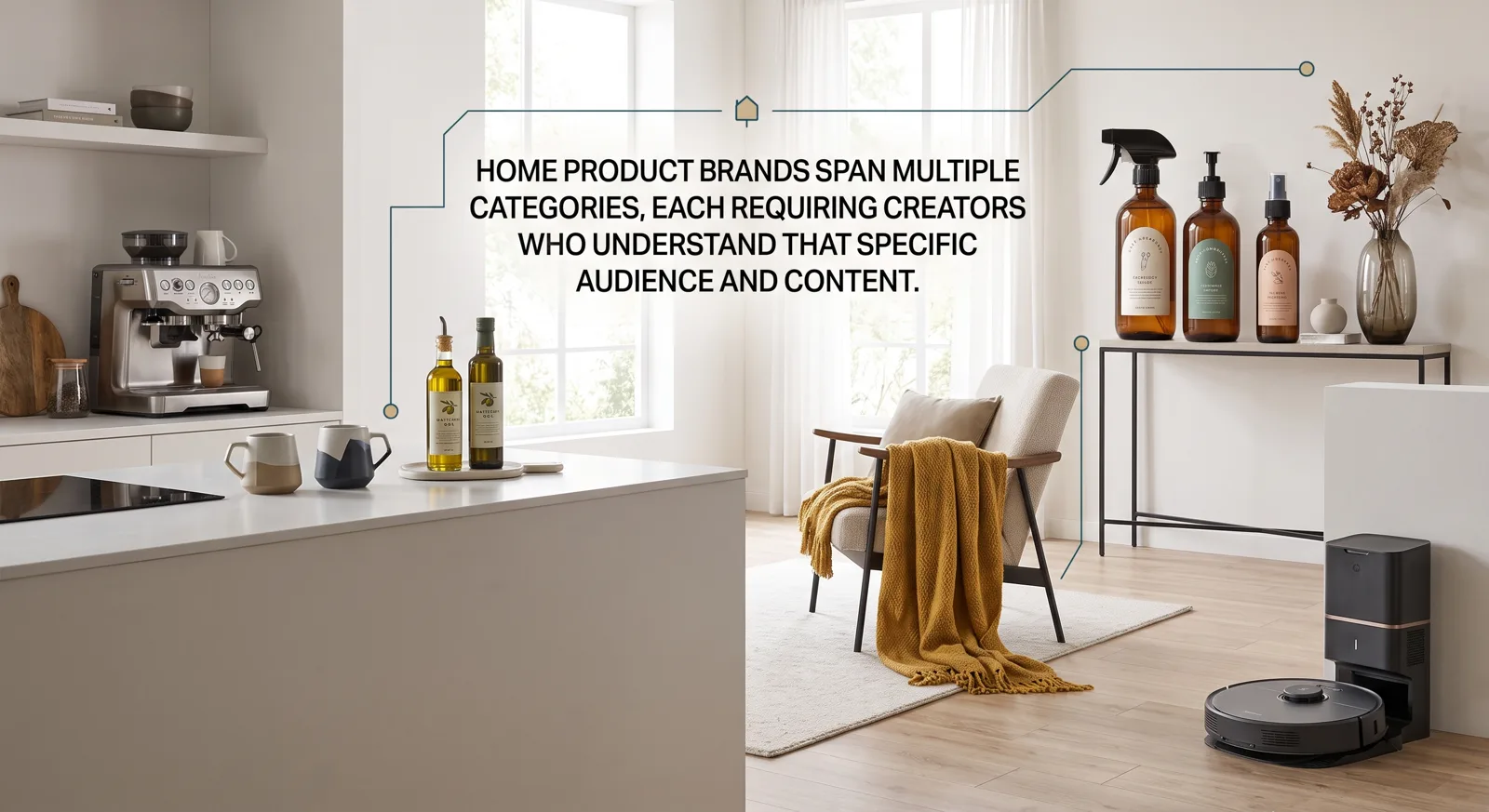
Why Does Category-Specific Matching Matter for Home Brands?
Category-specific matching connects your home product with creators whose audience already buys that type of product, driving higher conversion than generalist placements. A cleaning-product brand needs creators who review mops and vacuums, not beauty tools, because purchasing intent differs sharply across home categories.
Ainfluencer uses AI-powered matching to connect brands with the right influencers based on audience data, niche, and engagement. The Shelf and others emphasize matching brands with creators who truly influence purchasing decisions via data. These platforms recognize that audience alignment determines campaign performance more than follower count alone.
A kitchen gadget performs best with creators who demonstrate cookware and meal-prep tools to audiences shopping for kitchen solutions. That same product placed with a tech reviewer or a fashion creator reaches viewers who scroll past home-product content. Cleaning brands face the same dynamic: a floor cleaner needs a creator whose audience owns homes, manages household tasks, and actively searches for cleaning solutions. Pet-product brands require creators embedded in pet-care communities, not general lifestyle accounts.
Category expertise also shapes content format and messaging. Kitchen creators film recipe walkthroughs and ingredient prep; cleaning creators show before-and-after results and time-saving routines; decor creators stage rooms and explain design choices. Each category carries its own visual language, proof points, and purchase triggers. A generalist creator lacks the vocabulary and the audience trust that category specialists build over dozens of product reviews.
Conversion rates reflect this precision. When a cleaning brand partners with a creator who has reviewed 50 cleaning products, that creator’s recommendation carries authority. The audience knows the creator tests competing products and understands what works. A one-off placement with a creator outside the category generates views but rarely moves units, because the audience has no reason to trust that creator’s judgment on a product type they never cover.
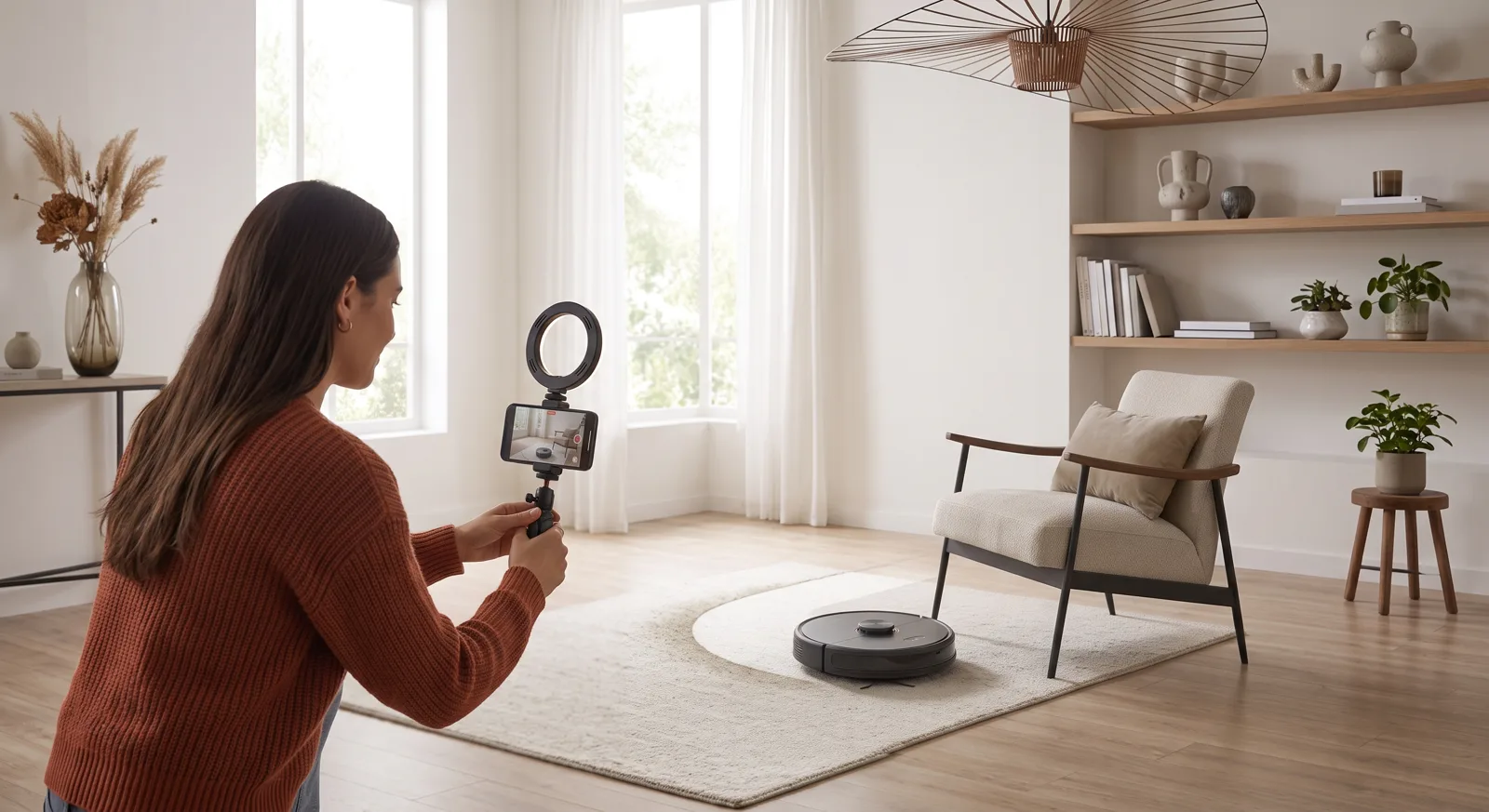
How Do You Match Creators to the Right Home Product Category?
Matching creators to the right home product category requires analyzing both the creator’s content history and their audience’s purchasing behavior, ensuring the product fits the creator’s established niche and the audience’s demonstrated interests. Audience alignment and content-fit criteria together determine whether a placement will convert.
Audience alignment by category
Audience alignment starts with demographic and behavioral data. A cleaning-product brand needs creators whose followers own or rent homes, manage household tasks, and engage with cleaning content. Age, household income, homeownership status, and geographic location all signal purchasing intent. A creator with a young, renting audience in urban apartments may not align with a premium floor-care system, while a creator whose audience owns suburban homes with pets fits perfectly.
Engagement patterns reveal deeper alignment. Comments asking where to buy a product, questions about durability or scent, and shares to household-planning boards indicate an audience ready to purchase. Passive engagement—likes without comments—suggests casual interest, not buying intent. Creators whose audiences ask detailed questions about product specs and compare alternatives deliver higher conversion than creators whose audiences engage only with lifestyle aesthetics.
Purchase history, when available through affiliate data or platform analytics, confirms alignment. A creator whose audience clicks through to buy kitchen tools, cleaning supplies, or storage solutions has proven that their followers act on home-product recommendations. This track record outweighs follower count. A creator with 15,000 engaged home-product buyers converts better than a creator with 150,000 followers who scroll past product links.
Content-fit criteria
Content fit examines whether the creator’s format, tone, and topic mix support your product type. Kitchen creators who film recipe tutorials, ingredient-prep techniques, and cookware comparisons fit kitchen and cookware brands. Cleaning creators who demonstrate cleaning routines, product comparisons, and time-saving hacks fit cleaning and laundry brands. Decor creators who stage rooms, explain design principles, and source furniture fit decor and furniture brands. Each category demands a distinct content approach.
Frequency and consistency matter. A creator who posts one cleaning video among 50 fashion posts lacks category authority. A creator who posts cleaning content weekly, reviews competing products, and answers audience questions about stain removal and appliance care has built trust in that category. Brands achieve better results with creators who dedicate their channel to one home category than with creators who occasionally touch the category.
Visual quality and production style also signal fit. Kitchen creators need strong lighting and close-up shots of ingredients and finished dishes. Cleaning creators need before-and-after comparisons and real-time demonstrations of product performance. Organization creators need wide shots of storage systems and labeled containers. A creator whose production style matches category expectations delivers content that looks native to the platform and the niche, increasing audience trust and click-through rates.
What Are the Seven Home Categories HouseholdMark Covers?
HouseholdMark covers seven home categories: kitchen and cookware, cleaning and laundry, decor and furniture, appliances and smart home, organization and storage, outdoor/garage/auto, and pet. Each category connects brands with creators who specialize in that product type and serve audiences actively shopping within it.
Kitchen and cookware encompasses cookware sets, utensils, gadgets, small appliances for food prep, bakeware, and meal-planning tools. Creators in this category film recipe walkthroughs, ingredient-prep techniques, and cookware comparisons. Kitchen and Cookware Influencers covers this category in full, detailing audience profiles, content formats, and partnership strategies for kitchen brands.
Cleaning and laundry includes floor cleaners, surface sprays, laundry detergents, vacuums, mops, and cleaning tools. Creators demonstrate cleaning routines, before-and-after results, and product comparisons across brands. Cleaning and Laundry Influencers explores this category’s unique content dynamics, audience behavior, and conversion drivers.
Decor and furniture spans wall art, lighting, textiles, furniture pieces, rugs, and decorative accessories. Creators stage rooms, explain design principles, and source budget-friendly decor. Home Decor and Furniture Influencers details how decor creators build trust, the role of aesthetic consistency, and how brands select creators whose style aligns with their product line.
Appliances and smart home covers connected devices, thermostats, security cameras, robot vacuums, air purifiers, and home-automation systems. Creators review tech specs, demonstrate setup processes, and compare smart-home ecosystems. Smart Home and Appliance Influencers examines the technical content requirements, audience expectations, and partnership models for appliance brands.
Organization and storage includes closet systems, drawer organizers, pantry containers, garage storage, and space-saving solutions. Creators film organization transformations, label systems, and storage hacks. Home Organization and Storage Influencers covers the before-and-after format, audience motivations, and how brands match products to creators with relevant home types and storage challenges.
Outdoor, garage, and auto encompasses lawn care, outdoor furniture, grills, garage organization, car-care products, and outdoor tools. Creators demonstrate seasonal maintenance, product durability tests, and project walkthroughs. This category serves homeowners managing outdoor spaces and vehicle upkeep, requiring creators who address weather, seasonality, and long-term product performance.
Pet includes pet food, toys, grooming tools, beds, carriers, and training aids. Creators film product unboxings with their pets, training demonstrations, and product comparisons across breeds and pet sizes. Pet creators build trust by showing real results with their own animals, and their audiences seek recommendations from creators whose pets match their own in size, breed, and behavior.
Home fitness and wellness covers yoga mats, resistance bands, home gym equipment, massage tools, and wellness accessories. Creators demonstrate workout routines, equipment reviews, and space-efficient fitness setups. This category overlaps with health and wellness but focuses specifically on products used in home environments, requiring creators who address limited space, noise, and multi-use rooms.
```