
What Is a Creator Retainer Program?
A creator retainer program is a multi-month contract between a brand and one or more content creators, where the brand pays a fixed recurring fee in exchange for a defined set of deliverables each month, such as posts, stories, or videos. Unlike one-off campaigns that end after a single piece of content, retainers secure a creator’s time and output over an extended period, typically three to twelve months.
Influencer Marketing Hub published “Retainer-Based Creator Contracts: Win-Win Pricing Models” in 2025, documenting the shift from transactional campaign structures to ongoing partnerships. The retainer model treats creators as recurring marketing channels rather than one-time vendors, aligning incentives for both parties to optimize performance over time.
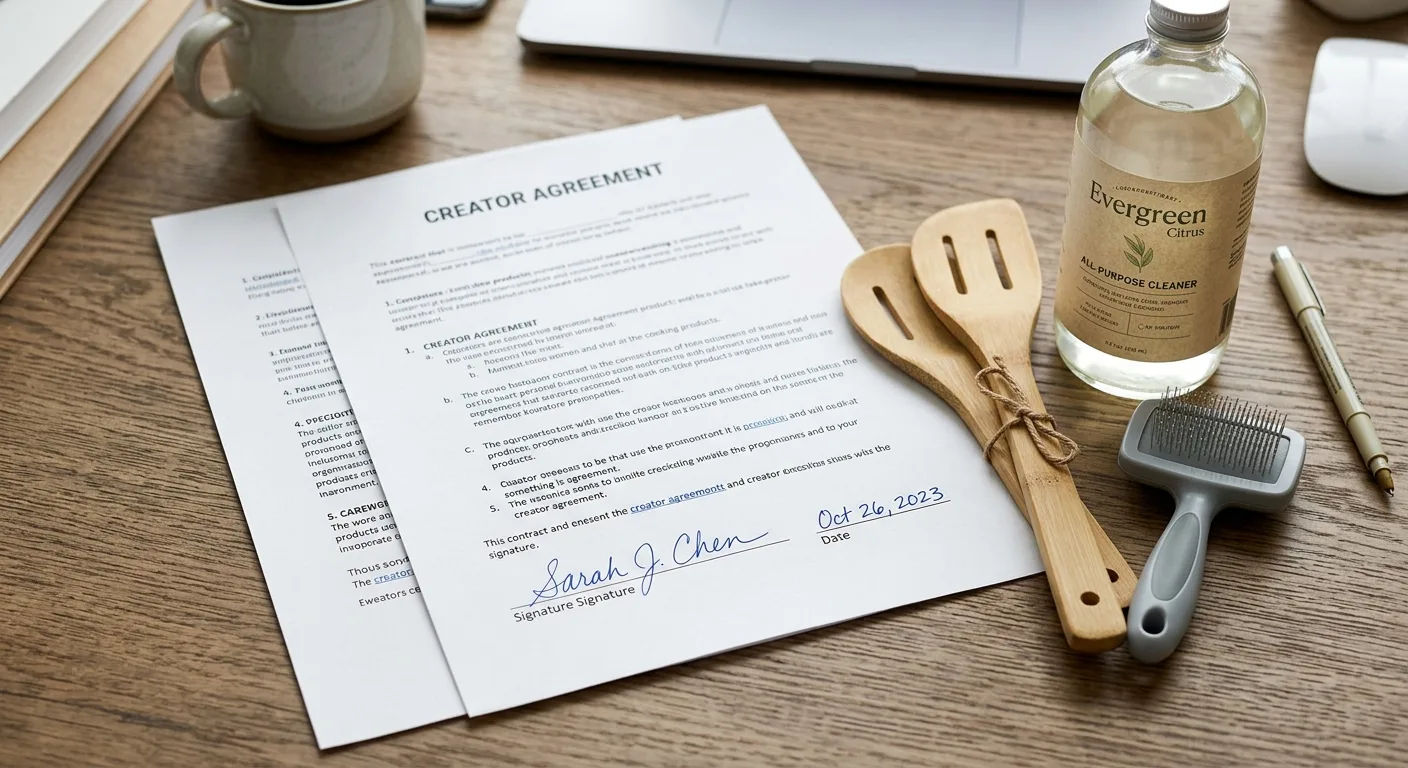
One-off campaigns require the brand to re-negotiate scope, pricing, and creative direction for every new post. Retainers bundle these negotiations into a single contract, fixing the deliverable count, posting schedule, usage rights, and payment terms for the entire period. A home-cleaning brand pays a creator $2,500 per month for four TikTok videos and two Instagram Reels, locked in for six months, instead of contracting each video separately at $625 per piece.
The retainer vs one-off campaign model changes how brands budget and plan content. One-off deals suit product launches or seasonal spikes, when a brand needs concentrated attention for a short window. Retainers suit brands that want sustained visibility, because the recurring cadence keeps the brand in front of the creator’s audience month after month. A kitchen-gadget brand running paid social year-round pairs retainers with its ad spend, feeding the funnel with fresh creator content every week.
Retainers also shift the creator’s role from contractor to partner. A creator under retainer learns the brand’s voice, product line, and customer objections, improving content quality with each cycle. One-off creators produce generic unboxings; retained creators produce tutorials that answer real buyer questions, because they have seen which posts drove conversions in prior months.
How Much Do Creator Retainers Cost?
Creator retainers for home brands cost between $1,000 and $15,000 per creator per month, depending on the creator’s follower count, engagement rate, and deliverable volume. Nano creators (1,000 to 10,000 followers) charge $1,000 to $2,500 monthly for four to six posts, while macro creators (100,000 to 500,000 followers) charge $8,000 to $15,000 for the same cadence.
Influencer Marketing Hub’s 2025 pricing data shows that flat-fee retainers dominate the home and lifestyle verticals, where brands value predictable monthly spend over performance-linked variability. A flat-fee retainer locks in a fixed monthly payment regardless of post performance, simplifying budgeting and reducing administrative overhead. A pet-product brand pays $3,000 per month for eight TikTok videos from a mid-tier creator, and that fee does not change whether a video earns 10,000 views or 100,000 views.
Flat-fee vs hybrid retainers reflects the brand’s risk tolerance and the creator’s willingness to tie compensation to outcomes. Hybrid retainers combine a lower base fee with performance bonuses, such as $2,000 per month plus $0.05 per incremental view above a baseline. Hybrid structures appeal to brands with tight cash flow and creators confident in their engagement rates, but they add complexity to invoicing and reporting. Home brands selling on their own sites often prefer flat fees, because tracking attributed sales from organic creator posts requires robust UTM discipline and attribution windows that many DTC brands lack.
Retainer pricing by creator tier follows a logarithmic curve, not a linear one. Doubling a creator’s follower count does not double the retainer fee, because engagement rates typically decline as audiences grow. A nano creator with 5,000 followers and 8 percent engagement may charge $1,500 per month for six posts, while a micro creator with 50,000 followers and 4 percent engagement charges $4,000 for the same deliverable count. The brand pays for reach and trust, not followers alone.
Multiple 2026 articles covering the shift from one-off deals to creator retainers as brands rethink ROI report that retainer fees dropped 12 percent between 2024 and 2026 as supply of available creators increased and brands negotiated longer contracts in exchange for lower monthly rates. A twelve-month retainer typically costs 15 to 20 percent less per month than a three-month retainer with the same creator, because the creator values the revenue certainty and the brand amortizes onboarding effort across more posts.
Usage rights and exclusivity clauses also affect retainer cost. A retainer that grants the brand perpetual, worldwide usage rights and category exclusivity (the creator cannot promote competing products) costs 20 to 40 percent more than a retainer limited to organic posting rights. A cleaning-brand retainer allowing the brand to repurpose creator videos as paid ads for one year rises from $3,000 to $4,200 per month to compensate the creator for lost sponsorship opportunities from rival brands.
What’s Included in a Creator Retainer Contract?
A creator retainer contract for home brands specifies the number and type of deliverables per month, the posting schedule, usage rights, exclusivity terms, payment terms, and renewal or termination conditions. Every retainer contract must define these six elements to avoid scope disputes, because ambiguity about deliverables or rights leads to creator dissatisfaction and brand under-delivery.
Influencer Marketing Hub’s 2025 contract guidance recommends that retainer agreements list each deliverable by platform, format, and length. A home-organization brand’s retainer requires four TikTok videos (30 to 60 seconds each), two Instagram Reels (30 seconds each), and one Instagram carousel post (five to seven slides) per month. The contract also states whether the brand must approve content before posting, whether the creator must use specific hashtags or product links, and whether the creator must tag the brand’s account.
Deliverables and Posting Cadence
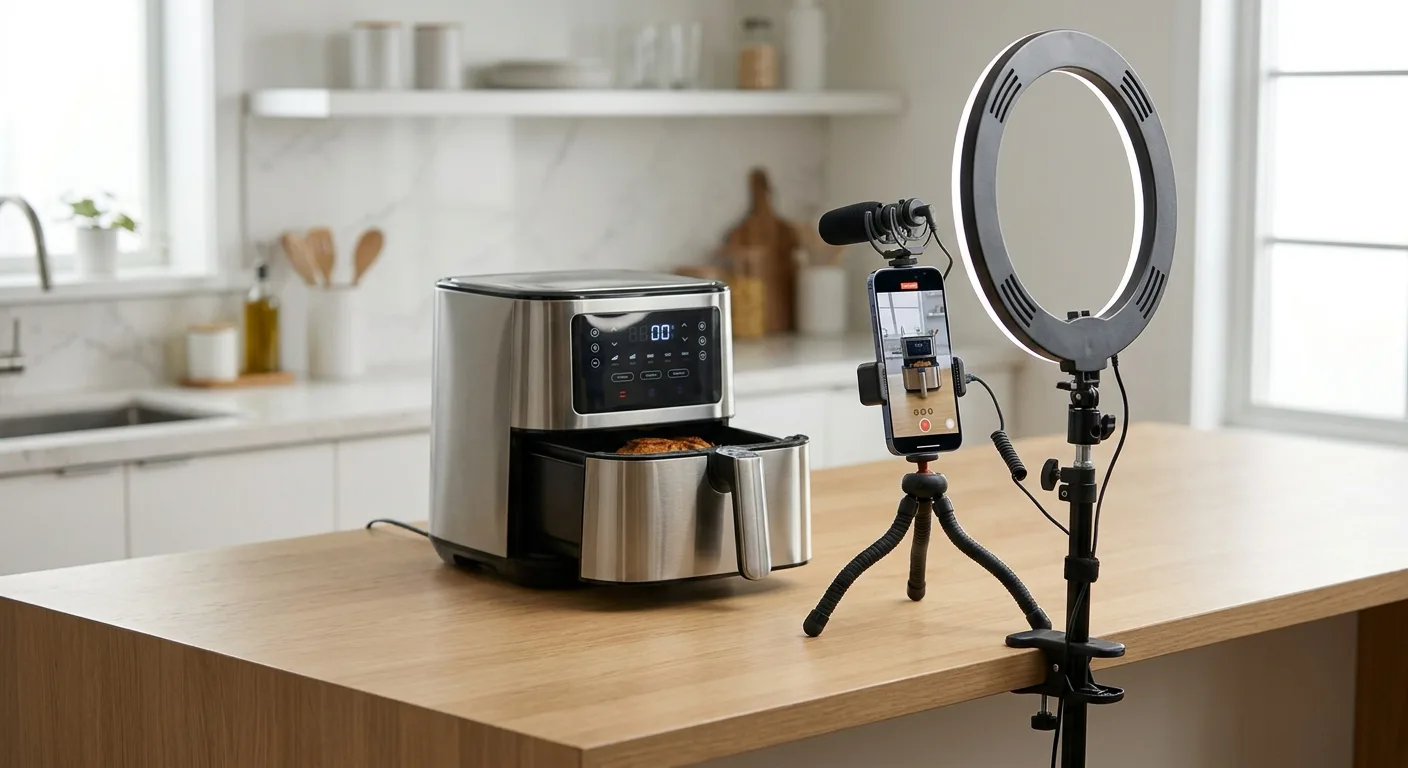
Deliverables and posting cadence determine how much content the creator produces and when it goes live. A retainer for a kitchen-gadget brand requires one post per week, scheduled on Tuesdays and Thursdays to align with the brand’s paid social calendar. The contract specifies whether the creator submits drafts for approval 48 hours before posting or posts directly without review, and whether missed deadlines trigger fee reductions or make-good posts.
Posting cadence also affects content quality. A retainer demanding eight posts per month from a single creator risks burnout and repetitive content, because the creator has little time to test recipes, clean spaces, or capture varied angles. Home brands see better engagement with four to six posts per month per creator, leaving room for the creator to plan shoots, respond to comments, and iterate based on prior post performance.
Usage Rights and Exclusivity
Usage rights and exclusivity define how the brand can repurpose the creator’s content and whether the creator can promote competing products. Standard organic-only retainers grant the brand the right to share the creator’s post to the brand’s own feed or story, but not to run it as a paid ad or use it on the brand’s website. Expanded usage rights allow the brand to repurpose the content across paid social, email, landing pages, and Amazon listings, typically for a defined period such as 12 months.
Exclusivity clauses prevent the creator from posting about competing brands during the retainer term and often for 30 to 90 days after it ends. A cleaning-brand retainer with category exclusivity bars the creator from promoting other all-purpose cleaners, disinfectants, or floor-care products, but permits promotion of laundry detergent or dish soap, which occupy different purchase occasions. Exclusivity adds 20 to 40 percent to the monthly retainer fee, because it limits the creator’s ability to monetize their audience with other sponsors.
Payment Terms and Renewal
Payment terms and renewal clauses govern when the creator gets paid and how either party can extend or exit the contract. Most home-brand retainers pay monthly in arrears, meaning the creator invoices at the end of each month after delivering all required posts, and the brand pays within 15 to 30 days. Some retainers pay half upfront and half upon delivery, reducing the creator’s cash-flow risk but increasing the brand’s administrative burden.
Renewal terms specify whether the contract auto-renews for another term or expires unless both parties agree to extend it. A six-month retainer includes a 30-day renewal window, during which either party can propose new terms or terminate. Retainers also define termination conditions, such as the creator’s failure to post on schedule, the brand’s failure to pay, or either party’s material breach. A termination-for-convenience clause allows either party to exit with 30 days’ notice, though it typically requires the exiting party to pay a cancellation fee equal to one month’s retainer.
How Long Should a Creator Retainer Last?
A creator retainer for a home brand lasts three to six months for a first engagement, giving both parties time to assess content performance and audience response without over-committing. Retainers shorter than three months do not amortize onboarding costs, while retainers longer than twelve months risk locking the brand into terms that no longer reflect the creator’s reach or the brand’s needs.
Multiple 2026 articles covering the shift from one-off deals to creator retainers report that the median retainer length in the home and lifestyle category rose from 3.2 months in 2024 to 5.8 months in 2026, as brands recognized that one or two posts do not give the algorithm enough signal to optimize distribution. A three-month retainer for a pet-product brand produces 12 to 18 posts, enough to identify which content formats (unboxing, tutorial, before-and-after) drive the most saves and shares, and to refine creative direction for a renewal term.
Six-month retainers suit brands that have worked with the creator before or that need sustained visibility during a product launch or seasonal peak. A kitchen-brand launching a new blender in January signs a six-month retainer running through June, covering the New Year resolution period and spring recipe season. The brand benefits from consistent content during high-intent months, and the creator benefits from revenue certainty that covers rent and equipment costs.
Twelve-month retainers work for established partnerships where the brand and creator have proven mutual fit. A home-organization brand that renewed a creator twice locks in a twelve-month term at a 15 percent discount, securing the creator’s time and preventing competitors from signing them. Twelve-month terms also simplify annual budgeting, because the brand knows its creator spend for the year and can allocate paid social dollars around it.
Retainers longer than twelve months risk obsolescence. A creator’s audience composition, engagement rate, and content style shift over time, and a two-year retainer signed in 2025 may deliver poor ROI in 2027 if the creator’s audience aged out of the brand’s target demo or if the creator’s engagement dropped due to platform algorithm changes. Annual renewal cycles let both parties renegotiate terms based on current performance data.
Why Retainers Outperform One-Off Creator Campaigns?
Retainers outperform one-off creator campaigns because they amortize onboarding costs across many posts, build cumulative brand familiarity through repeated exposure, and allow the creator to refine messaging based on prior post performance. A one-off campaign delivers a single impression; a six-month retainer delivers 24 to 36 impressions to the same audience, compounding trust and recall.
Amortizing onboarding costs across many posts improves the effective cost per post. Onboarding a new creator requires product education, brand-guideline review, sample shipment, and contract negotiation, consuming 4 to 6 hours of brand and agency time. A one-off campaign spreads that cost over one post; a six-month retainer spreads it over 24 posts, reducing the per-post overhead from $150 to $25. Home brands working with HouseholdMark onboard creators once per retainer term, then focus management hours on content review and performance reporting, not re-negotiation.
Repeated brand exposure builds trust faster than isolated posts. A consumer who sees a cleaning product in one creator’s feed may not remember the brand name; a consumer who sees the same product in the same creator’s feed six times over three months associates the product with the creator’s credibility. Influencer Marketing Hub’s 2025 data shows that the sixth post in a retainer series drives 2.3 times more click-through to product pages than the first post, because the audience has seen the product work in multiple contexts and no longer treats it as a one-time ad.
Retainers also let creators iterate on messaging. A kitchen-gadget creator’s first post focuses on unboxing and features, earning moderate engagement. The second post, informed by comments on the first, answers the top three buyer questions (Does it fit in a dishwasher? How loud is it? Does it work on frozen fruit?), doubling engagement. By the fourth post, the creator knows which angles resonate and produces content that converts, because they have tested hypotheses across prior cycles.
One-off campaigns cannot iterate within the engagement window. A single post goes live, performs for 48 to 72 hours, then fades from the feed. The brand has no chance to adjust before the audience moves on if the creative angle missed the mark. Retainers turn each post into a learning opportunity, compounding performance improvements over the contract term.
Retainers also align the creator’s incentives with the brand’s goals. A one-off creator optimizes for their own engagement metrics, because they have no stake in the brand’s repeat-purchase rate or customer lifetime value. A retained creator knows the brand will renew if the content drives results, so they invest time in understanding the product’s use cases, reading customer reviews, and responding to audience questions in comments. This deeper engagement shows up in content quality: retained creators produce tutorials that answer objections, not generic unboxings that merely showcase the product.
For home brands selling on their own DTC sites, retainers integrate with the broader marketing calendar. A brand running paid social year-round needs fresh creator content every month to feed its ad account and email flows. Retainers provide a predictable content pipeline, letting the brand plan ad creative three months ahead instead of scrambling for one-off posts when paid social performance dips. HouseholdMark’s retainer clients receive a monthly content calendar showing which creators post when, so the brand can align email sends, paid ads, and organic social around each creator’s schedule.
Always-on creator retainers represent the next evolution of this model, where a brand maintains a steady roster of home creators year-round, rotating products and campaigns across the same group. Always-On Influencer Programs for Home Brands covers the operational structure of ongoing programs, including creator rotation, content pacing, and performance benchmarking. Influencer Ambassador Programs for Home Brands explores how brands formalize long-term relationships with top-performing creators, granting them exclusive perks and co-branded opportunities. Long-Term Influencer Partnerships for Home Brands examines the contract and compensation structures that sustain multi-year collaborations, including equity arrangements and revenue-share models.
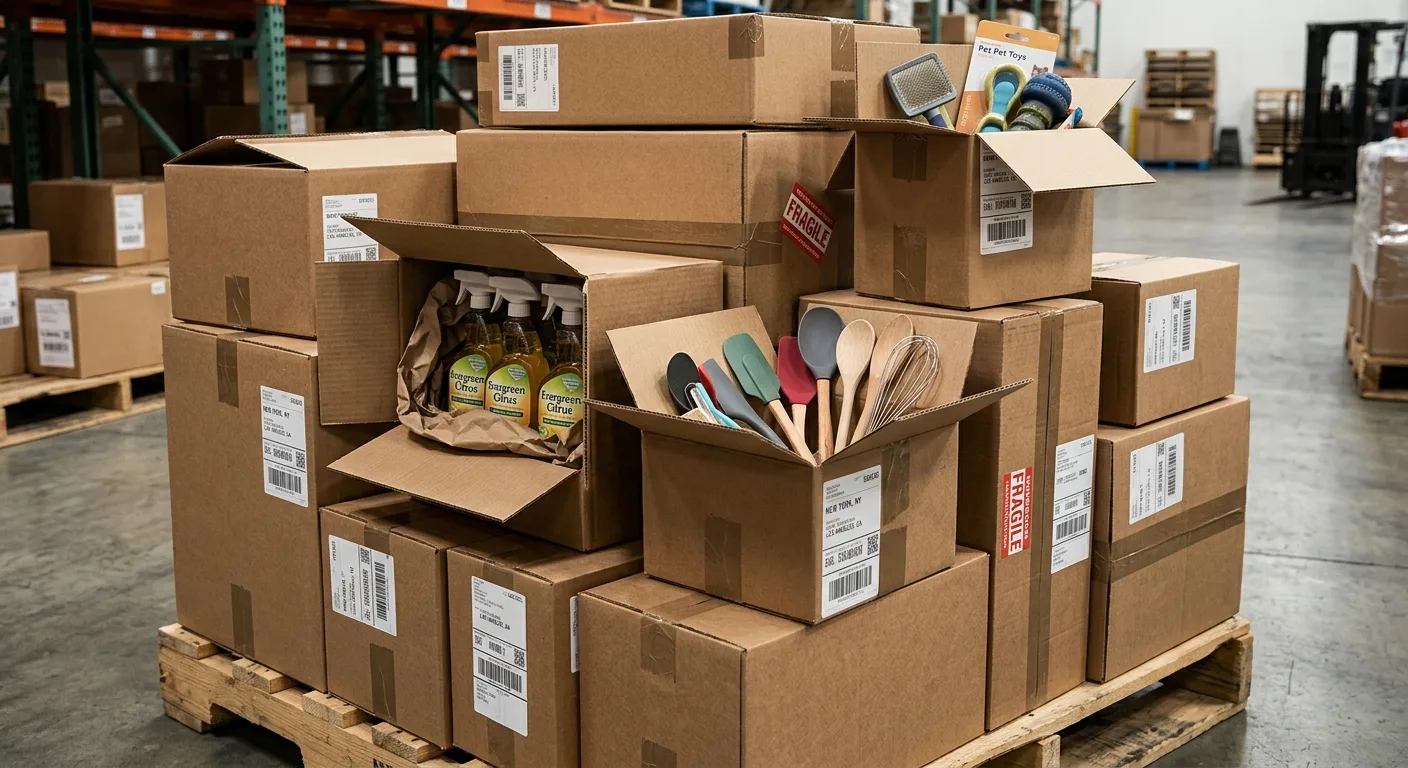
HouseholdMark works only with home and household brands, handling everything between the brand and its creators: sourcing, vetting, outreach, contracts, shipping, content review, payments, and reporting, on one invoice. Our focus is category expertise, because cleaning-content creators are a different community from kitchen-gadget reviewers, and we match each product to the creators who already sell products like it. Clients receive a vetted roster and a reach floor before they pay, ensuring that every retainer delivers the volume and audience fit the brand needs.